
Imagine you’re in a house church with more than 100 people. You’re all crowded into a room together. Most of the people are young and all are keen to learn more about Jesus and worship Him together. Bibles lie open around the room. There are HAPPY faces surrounding you. You are in the middle of a familiar WORSHIP SONG – and then the door suddenly slams open.
This isn’t a normal house church. There’s a reason that the windows are closed and the floor-to-ceiling curtains are drawn. The church worships in the dark, in secret, because it is not allowed to exist. And now it’s been discovered by the police.
“Everything fell apart”
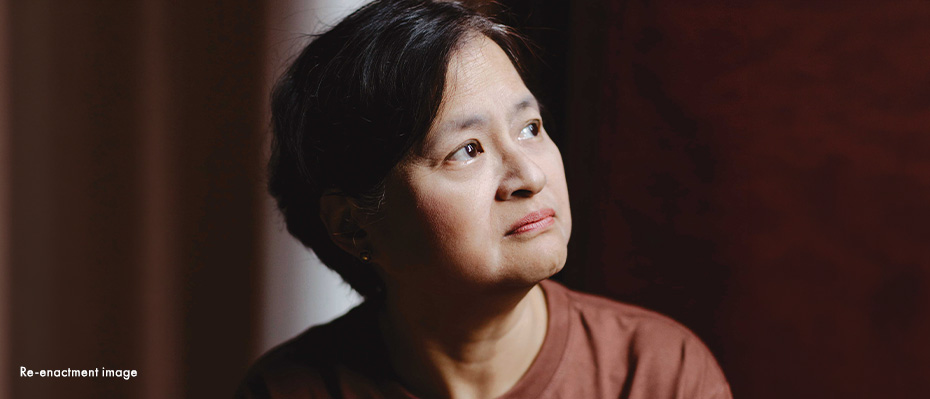
Jinyi* vividly remembers the terrifying day that this happened to her. She and her husband, Zhang*, had planted a church in central China a couple of years earlier, and the numbers steadily grew as more and more young people joined the church. But leading the church was always dangerous. Jinyi and Zhang knew this day could come. Because their church was illegal.
In China, Christians are only allowed to attend registered churches in the Three-Self Patriotic Movement or the Catholic Patriotic Association. These denominations are heavily monitored, with the Chinese authorities determining who can lead services, what can be preached and sometimes even filming the congregation. Many Christians start underground house churches, so they can preach the gospel and learn about Jesus without the Chinese Communist Party intervening. Sometimes the house churches are left alone. But, increasingly, they are targeted by the authorities.
“With surveillance everywhere, even a visit or a message to me can bring danger.”
Sometimes that means being invited for ‘tea’ with a local official – a seemingly innocuous message, which in reality comes with the threat of interrogation and a warning that the church leaders are being closely watched. Sometimes there is no warning at all.
“Everything fell apart quicky,” Jinyi remembers. When her church was raided the community was immediately shut down and the police detained the assembled believers. Most of those arrested were released after 24 hours, but some were kept for a full week. Zhang was singled out. As often happens with raids, the church leader bears the brunt of the punishment. He was fined 60,000 renminbi (£6,500, about six months’ average salary in China) and sentenced to 3.5 years in prison.
Jinyi found that, when her church was targeted, other churches were too fearful to offer support. They knew they might get in trouble for helping her. “With surveillance everywhere, even a visit or a message to me can bring danger,” she explains. Jinyi understood their reasoning, but it was still hard to experience. “In my heart, I felt betrayed, hurt, disappointed,” she says. “I felt isolated. I was struggling with my faith and found myself sinking into silence.”
“The calling I once received… came alive again.”
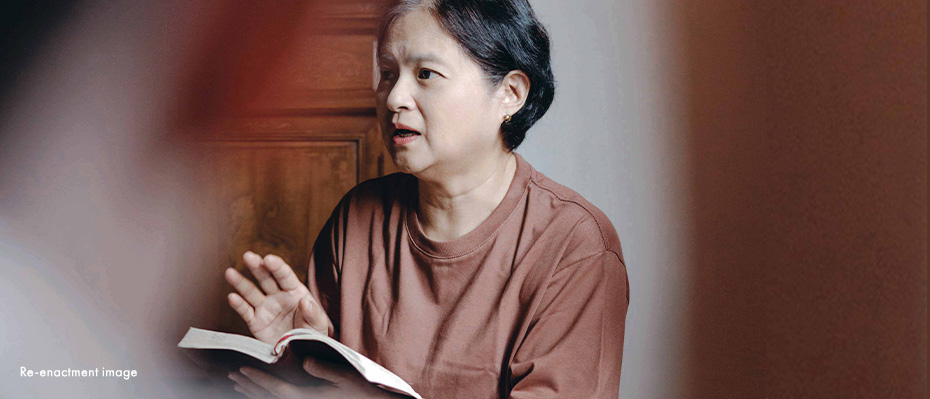
In the midst of this isolation, Open Doors local partners stepped in to support and spend time with Jinyi. Open Doors partners see time and again the transformative power of simply being present with those who are persecuted. They began to see this transformation in Jinyi.
“I began to think about the young adults who once attended our gatherings,” she says, “how these young people, driven by fear, were scattered like lost sheep without a shepherd.” Jinyi became a Christian at university, and has long had a passion for seeing young people encounter Jesus. She and Zhang served in student ministry for years, and Jinyi knew that this was her purpose. Encouraged by continuing fellowship with Open Doors partners, and despite the significant risks, Jinyi determined to be there for those whom God had entrusted to her and her husband.
“The calling I once received from God came alive again,” she says. “I knew I must help these young people stand firm in the Lord once again.”
Over meals, Jinyi met one-on-one with several young people to encourage them. Inspired by Jinyi’s faith, several of those young people stepped up to lead small groups, eventually followed by youth gatherings held in different homes. The house church ministry has begun, once more, to flourish. There are now ten underground small groups with a total of more than 70 young people who are growing in faith and extraordinary courage. They look to Jinyi as their guide.
“He has not forgotten me”
Open Doors partners continue to spend time with Jinyi, and she is clear that these visits are crucial in her ministry. “Thank you for your prayers,” she says. “There have been countless moments when I wanted to give up. I felt like I really couldn’t carry the burden of leading these young people, but God’s calling was always there, and He upheld me. Your visits help me realise that the Lord has not forgotten me. He still loves me. He must have a good purpose for my husband and me.”
Open Doors is walking with church leaders in China and in other countries where the church must meet underground. These believers are under constant pressure as they face the threat of being watched, exposed and persecuted. With your prayers and support, Open Doors partners can keep providing training and keep making the encouraging visits to underground Christians that are so vital. Without them, courageous leaders like Jinyi feel isolated and disconnected from the body of Christ.
*Names changed for security reasons
Jeremías* made a promise with his wife. After nine years as a semi-pro footballer, he felt God calling him to be a missionary. He said if his team won the league and he finished top scorer, he’d quit football.
It happened.
“In that moment, we felt God’s call,” he says. “Of course, we had doubts. We wondered, ‘How will we live?’ But the Lord reminded us that if we obey Him, He is faithful and will provide everything we need.”
In 2020, his family moved to serve an unreached indigenous community in Chiapas, Mexico. They couldn’t live there, so they travelled over two hours every weekend to help. One day, they prayed for a woman in severe pain. “From that day on, it never returned. And she and her family came to faith,” Jeremías shares. Soon, more people wanted to hear about Jesus.
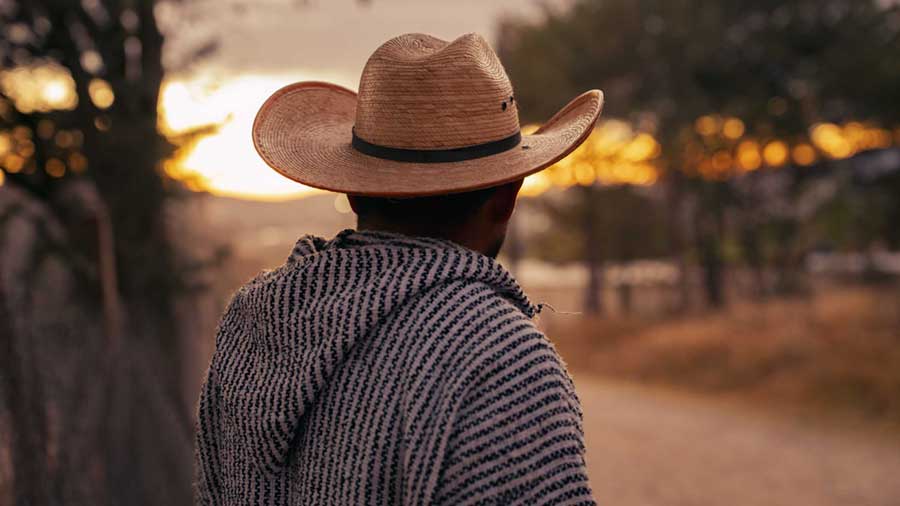
‘MANY RECEIVED JESUS’
After three years, gangs took control of the area. Jeremías and his son Josías* refused to join them, putting their lives in danger. One night, they had to flee. Jeremías’ youngest son was very sick. “I thought he would die that night in the cold, but we still chose to leave, otherwise we would all die,” he recalls.
That night, something incredible happened. “It was as if we were inside a bubble… God saved us that night,” Jeremías says.
Three weeks later, they returned—even though armed checkpoints filled the area. “I was afraid,” he admits. Still, he handed out gospel leaflets, even to gang members. “Many were there because they were being forced. They needed a glimpse of God.”
The family stayed, praying and encouraging people. “They didn’t understand why we had peace, until we shared the gospel with them. Many received Jesus in those days.”
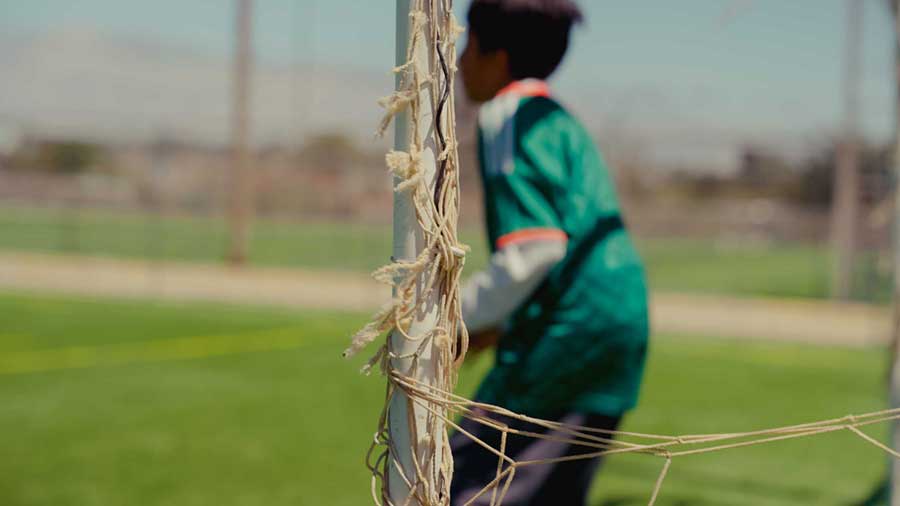
““I realised that dependence on God makes you immovable. When you act out of fear, you make wrong decisions.””
VIOLENCE LEADS MANY TO FLEE
Then violence broke out. “We prayed the entire night,” Jeremías says. By morning, everyone else had fled. His family escaped again, along with thousands displaced.
Josías remembers: “I was afraid the bad men would take my dad… I was only able to pack some clothes and honey for my little brother.” Leaving friends behind was the hardest part. “It was hard to leave them.”
Even so, Jeremías says God reminded him: “One sows and another reaps.” He still prays others will continue the work.
‘We teach people to serve God, not them’
With support, the family rebuilt their lives. “I realised that dependence on God makes you immovable. When you act out of fear, you make wrong decisions.”
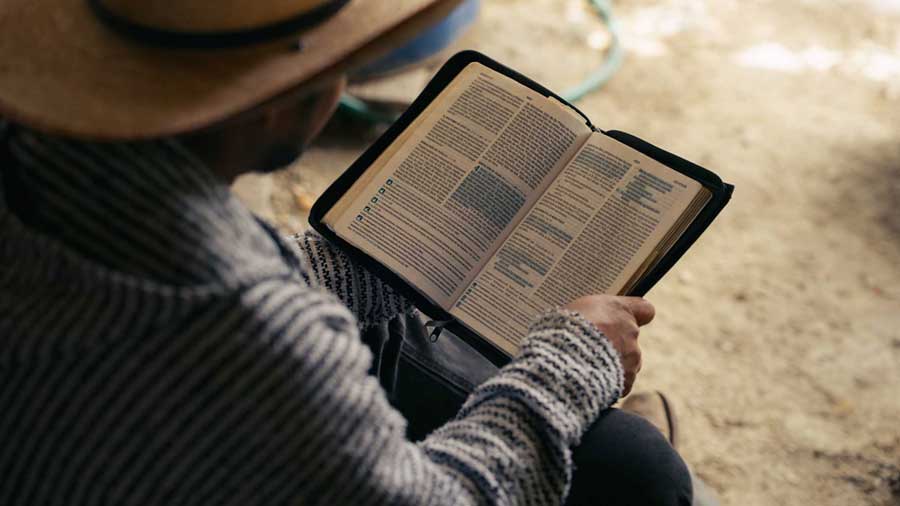
Life is still tough, but their faith is strong. “The cartels are almost everywhere, but God is more powerful,” Jeremías says. “They see us as a problem because we teach people to serve God, not them.”
Despite rejection, they keep loving their community. “Organised crime made us lose everything, but Jesus loves these people, and they need to hear about Him.”
Now, Jeremías trains other Christians facing persecution. “I share my testimony and remind them that God can bless us wherever we are, if we obey,” he says.
He has one simple request: “Pray for spiritual and physical strength… May God’s work continue despite persecution.”
““The cartels are almost everywhere, but God is more powerful”.”
Pray as they play
With the World Cup kicking off, the coming weeks provide an amazing opportunity to pray for believers like Jeremías in Mexico who are vulnerable to persecution for their faith. Mexico is one of 14 teams on the World Watch List that are playing at the tournament, so will you join us to pray as they play?
Keep an eye on our social media channels for special World Cup prayer cards… we’ll be sharing these on the days when countries on the World Watch List are playing. They feature facts and figures, together with a short prayer request. You can also download, print off and stick together to use throughout the tournament Grab them here…
*Names changed for security reasons. Images are of Jeremias and Josias.
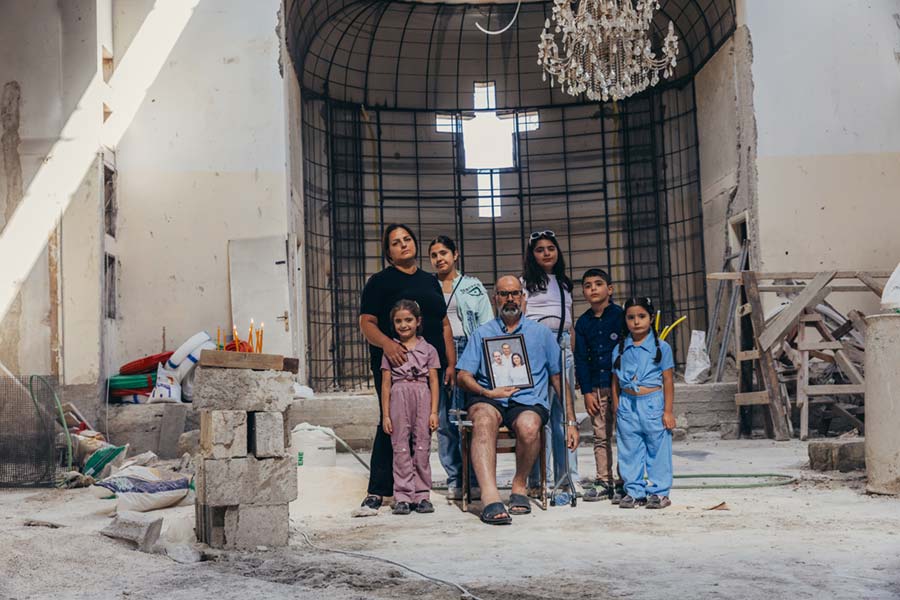
Sunday 22 June 2025 began like any other day at Mar Elias Church in Damascus. The church was full, with more than 300 people gathered, including Elias, his wife Hanan, and their five children.
PLEASE NOTE: The following video contains some distressing scenes of the aftermath of the attack. Please don’t watch if you’re feeling vulnerable, or would rather not see what was filmed.
Partway through the service, gunfire broke out at the church entrance. Elias remembers the terror clearly. “The gunshots grew more intense from the front door,” he says. “The door was thrown open… a terrorist shooting right and left. People were shouting. The church had turned red.”
Panic filled the room as people tried to hide. Hanan crouched between seats, while Elias heard his brother Geryes shouting for people to “Get down.” Geryes, along with his brother Boutros and another man, Milad, rushed toward the attacker. They tackled him to the ground, but moments later, he detonated a backpack bomb. All three men, and Geryes, were killed instantly.
“Everybody witnessed their courage” says Elias. “If they hadn’t acted, there would have been more casualties.” At least 22 Christians were killed in less than a minute.
Searching for their children
In the chaos, Hanan searched desperately for her children, all five of whom had been at the service. “The whole church was destroyed,” she says. “I failed to see any of my children. I didn’t know where to search.” She found five-year-old Taqla first, then prayed, “Lord, please, let me find one more child. I’ll be content to find just one more.”
Then Ibrahim ran to her. As they walked toward the door, she remembers, “As we headed to the door, we walked by bodies on the ground.” Outside, a blood-covered girl kept following her. Hanan looked down and recognised the shoes. It was her daughter Sarah. “I didn’t recognise her face,” she says. “Her face was swollen and her hair was burned. She wasn’t able to see anything and was just following my voice.”
Miraculously, all five children survived. Elias and Sarah were badly injured and taken to hospital. Later, Elias learned that his brothers, sister, and several relatives had been killed. “I broke down,” he says. “After we came home, there was emptiness.”
The trauma remains. “The children still fear the smallest sounds,” Hanan says. “If they hear fireworks, they think they’re being attacked.”
“I knew the Lord wouldn’t forsake us… Our faith is built on rocks, not bubbles of soap.”
“EVEN IF WE ARE AFRAID, WE WILL STILL GO”
The attack is part of wider violence against Christians in Syria. Since the fall of Assad’s regime, the country has become even more dangerous for believers. Many Christians have left, but some, like Elias and Hanan, are still deciding. “For the sake of our children, we are considering not remaining here,” Elias says. “If it’s God’s will, we will stay. If not, His will be done.”
For now, they continue worshipping at Mar Elias. “We go to church, but fear still exists,” Hanan says. “Yet even if we are afraid, we will still go.”
Elias holds onto faith through Scripture. “We have no ambition but to remain faithful,” he says. “I knew the Lord wouldn’t forsake us… Our faith is built on rocks, not bubbles of soap.”
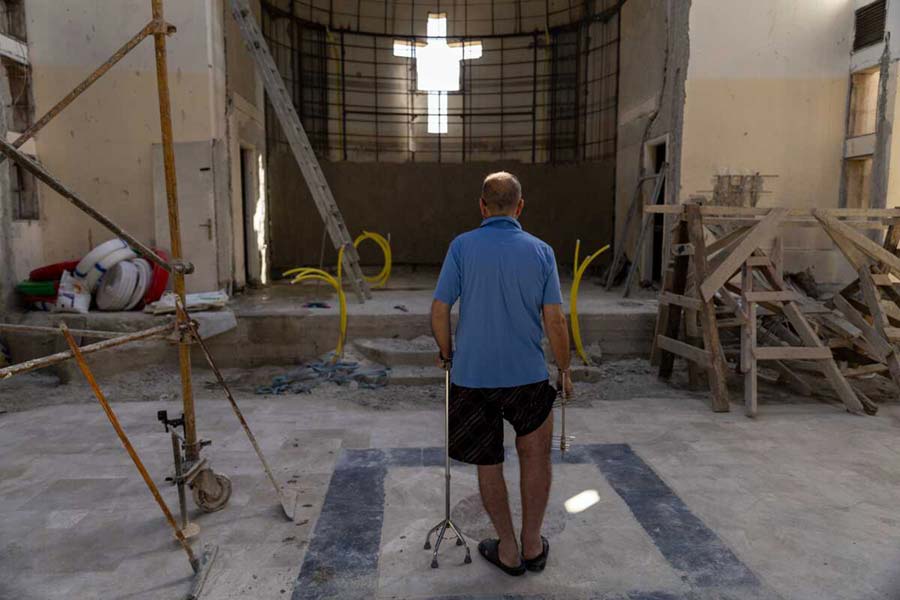
Local Open Doors partners are providing vital economic aid, Bibles and prayer support to our brothers and sisters. They are also supporting the persecuted church through crucial trauma counselling, and through counselling schools that train believers to support others. More than 60 graduates are now equipped as trauma counsellors, strengthening the church as they bring professional support to traumatised people like Elias, Hanan and their children. As Hanan says, “Even in the darkest moments, God can bring healing and growth.”
This support is just the start. Across the Middle East, in the face of persecution, our church family need your support so they can heal from their trauma, be equipped for future risks and keep growing and flourishing. This is not a dying church – this is the body of Christ standing firm and faithful in the face of fear. Today, will you help strengthen what remains? Why not start by praying? Use the points below…
Zaira* from CENTRAL ASIA spent years searching for the answers to her questions. Nothing could satisfy the ache in her heart – until she encountered the God of the Bible in a book. Saying ‘yes’ to following Jesus meant stepping into a life of persecution, but one from which she would never turn away.
Growing up, Zaira lived in fear, terrified of what would happen to her after her death. She tried so hard to do all her religion required, even memorising long, complex prayers and reciting them day and night. “I kept repeating the Islamic prayers, but I was still searching.”
Then tragedy struck: her father fell gravely ill and died. In her grief she cried out to God: “Do You exist or not?” she demanded. “Where is my father?”
God’s answer came through a book. As she sorted through her father’s possessions, she was surprised to find some Christian books he had once been given and which, for some reason, he had kept. One book, in particular, seemed to address the questions she had spent years struggling with.
“I read about Jesus,” she recalls. “It said, ‘Whoever has faith in Jesus will not die but live again.’ That was what I had been looking for. I found it. It all poured into me, like through a funnel.”
In that moment, Zaira made her decision. She went to her family’s barn, trying to find somewhere secret and safe. She closed the door and barricaded it. She couldn’t let anyone else see what she was about to do or hear what she was about to say. Alone, she knelt down and prayed: “Jesus, come into my heart. I am a sinner. Forgive my sins.”
With that prayer, years of searching ended; with that prayer, years of persecution began.
“I felt like I flew up and came back down,” she said. “My mouth couldn’t stop saying ‘Jesus’.”
Persecution and pain

“You need to be bold, stand firm in your faith, and be courageous. You have to go with two weapons: prayer and the Word.”
From then on, life changed. Zaira met with some Christians in a neighbouring village, who gave her more books to read. But when her eldest brother found out, he was furious and threw her books into the fire. Despite his anger, Zaira carried meeting with other Christians whenever she could. She told her younger sisters about Jesus. Some of her family and friends even became Christians.
That only made others in her family even more angry. She was beaten several times, and one of her brothers tried to force her to recite the Islamic declaration of faith. When Zaira refused, he disowned her, shouting, “I have no sister. Leave! I disown you.”
“All I said was, ‘Yes, God.’ That’s all,” Zaira says. “Then I forgave my mother, my brother and everyone.”

The amazing miracle
Zaira didn’t return to her family for several years after that incident. During her absence the relatives who became Christians also suffered persecution. Some of her Christian nieces were forced to marry against their will, others were badly beaten. Like Zaira, however, their faith was strong.
“While they were beating us, we pictured Jesus’ suffering,” one of them told Zaira. “It gave us strength.”
Eventually, things changed. The example of Zaira and the other believers changed the attitudes of those around her. Then came what Zaira calls the most amazing miracle: her mother-in-law became a Christian.
“I used to think that even if the whole world believed, my mother-in-law would not. When she believed, my eyes were opened,” she recalled.
Open Doors supports many women like Zaira, though employment and training schemes help them gain independence, and discipleship training to help them live out their faith. And with your help, Zaira is able to support other vulnerable women who are facing isolation and persecution, and who are facing emotional, psychological and physical abuse.
“You need to be bold, stand firm in your faith, and be courageous,” she shares. “You have to go with two weapons: prayer and the Word.”
*Name changed for security reasons
Around the world Christians are living out an impossible faith, trying to follow Jesus when governments, laws, communities and even family are against Christianity. Here’s some key points from the last year, highlighting some of the places where your prayers are needed.
Impossible faith in North Korea
The dangers facing Christians in North Korea have not abated – and that’s why it’s still number one on the World Watch List. Amidst an ongoing humanitarian crisis, the Kim regime continues to strengthen the country’s self-reliance and its strategic positioning on the world stage. For North Korea’s secret believers, following Jesus openly remains impossible.
4,849 pay ultimate cost for their faith
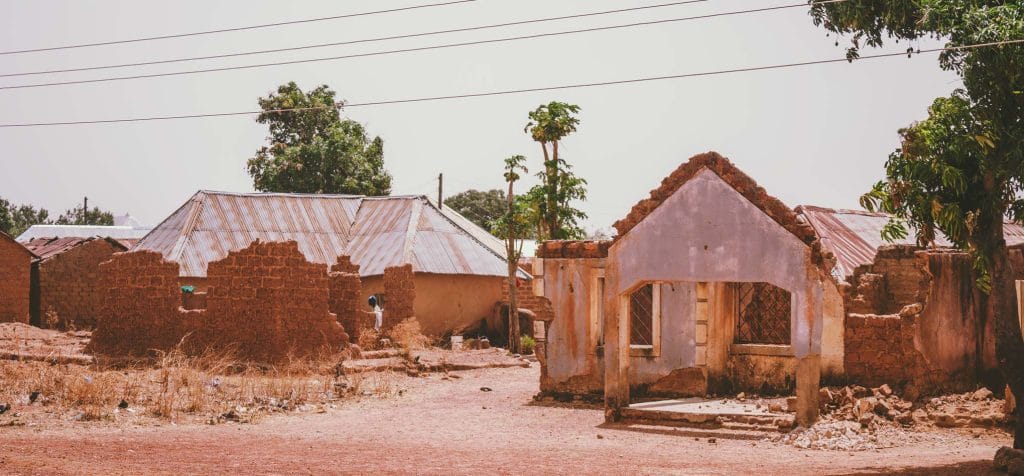
Open Doors research shows that the number of Christians worldwide killed for their faith increased by eight per cent to 4,849. Of these, 72% were from Nigeria – that’s more than the rest of the world combined. Other countries in sub-Saharan Africa that recorded at least 100 faith-related killings include Democratic Republic of Congo (DRC), Burkina Faso and Cameroon.
Syria jumps 12 places, making it the biggest riser
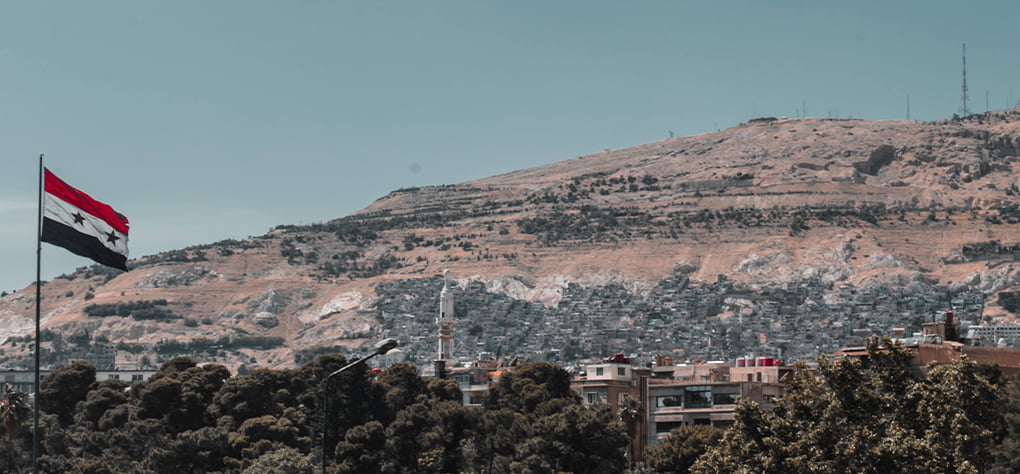
Syria has jumped to sixth. It’s the biggest riser in this year’s list and now a place of extreme persecution for many of the country’s tiny minority of believers. This is largely down to a sharp rise in the number of Christians killed and churches attacked since the fall of the Assad regime, notably the suicide bomb at Saint Elias Church, Damascus, in June that killed 22 people.
Christians in Africa exposed by instability

Fourteen countries in the top 50 of the World Watch List are in sub-Saharan Africa, and four of these are in the top 10 (Somalia, Eritrea, Sudan and Nigeria). A key driver is weak governance – for example, five of the 14 countries have experienced government overthrows in the past five years. This enables militancy and corruption to flourish, with believers often disproportionately targeted. One in eight Christians globally live in these 14 countries.
Crackdown on online church activities in China
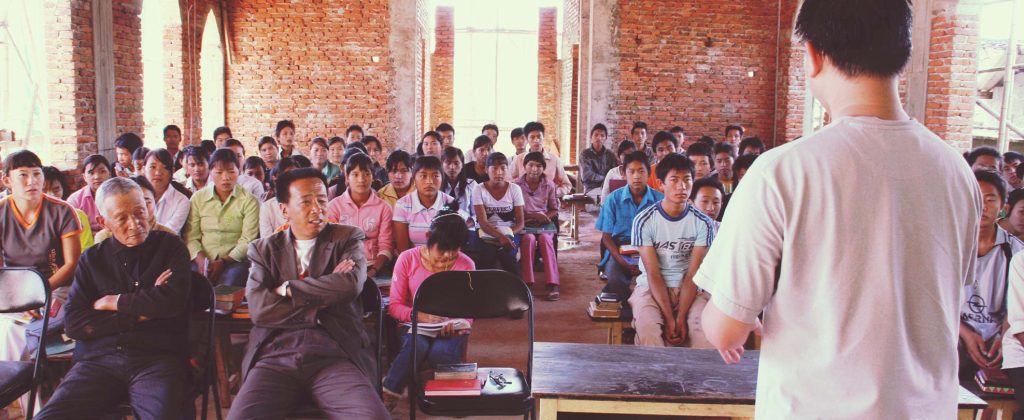
China reached its highest ever score on the World Watch List, largely due to the implementation in September 2025 of ‘Regulations on the Online Behaviour of Religious Clergy’. It comprises of 18 rules to ‘actively guide the religion’s alignment with society’. There is a ban on youth outreach, fundraising and ‘healing’ activities. Livestreams of sermons are only permitted if the church has been state-approved, which means preaching is heavily censored.
Drop in violence in Bangladesh
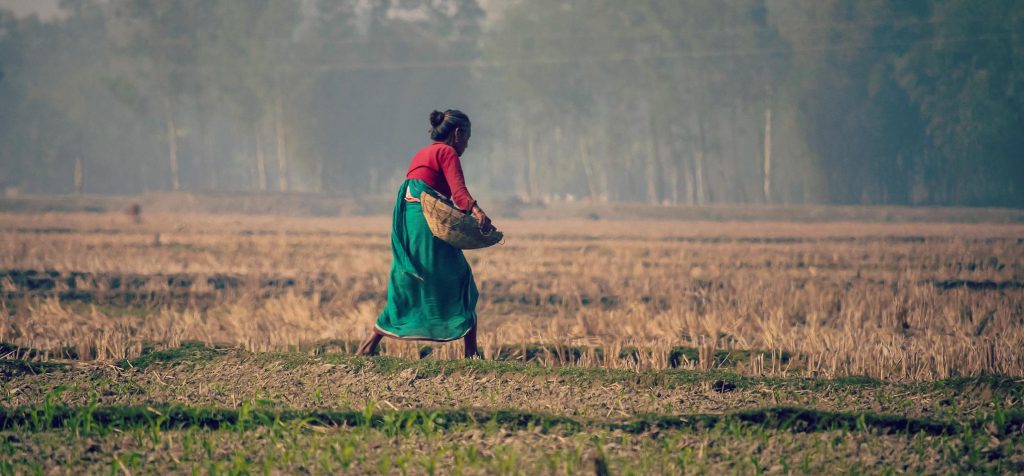
Among the good news from the latest list is a 20% drop in reported incidents of violence in Bangladesh. Since the ousting of Prime Minister Sheikh Hasana in August 2024, a period of relative calm has emerged under the interim leadership of Muhammad Yunus, an advocate of religious freedom. However, with elections scheduled for early this year, this will be tested, with concerns that it could lead to greater persecution of religious minorities.
What’s the good news?
In Mexico (#30) and Colombia (#47), there is growing recognition – from media, civil society and some state actors – of the specific risks faced by religious leaders in areas affected by organised crime and armed groups. A spotlight is also being shone on the authorities’ approach to religious freedom in Cuba (#24) and Nicaragua (#32), through the work of international monitoring groups and advocates speaking up on behalf of affected churches and leaders.
And in a wonderful answer to prayer from Malaysia (#51), truth and justice prevailed with Susanna Koh winning her court case against the state over the disappearance of her husband, Pastor Raymond Koh, in February 2017.
God of the impossible
These trends are a reminder that the drivers behind the persecution of brothers and sisters are complex and multifaceted. But perhaps the most potent and powerful reason for persecution is that, in all these countries, the church is still present and alive. In many places, it’s even growing!
Despite the best efforts of dictators, extremists, secret policemen and party officials, Christians continue to show remarkable resilience and creativity in how they witness to Jesus. Churches still meet, prayers are prayed, Scripture is shared and the gospel is still proclaimed. The enemies of Christianity will always try to make life impossible for Christians. But it won’t work. Because ours is an impossible faith. And nothing is impossible with God.
“If you could see what God is doing in my country, you would never have any doubts again. The Holy Spirit is at work, thanks to your prayers.” – a North Korean escapee
Simply existing as a Christian in North Korea is effectively impossible, let alone sharing the gospel in a place where one’s every move is watched. But, as Cho’s story demonstrates, nothing is impossible with God.
When Cho first met Eun-Yeong, she was terrified. She had just escaped North Korea—a place where even owning a Bible can get you and your family thrown in prison for life. If she was caught, she could be sent back, interrogated, or even killed.
Cho was looking for people like her—but not to harm them. He wanted to help.
“Please don’t shout,” Cho whispered. “I’m not here to hurt you. I want to help.”
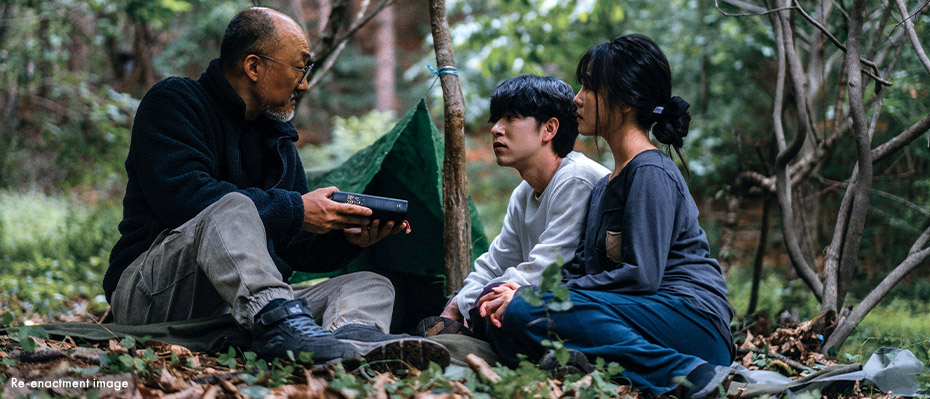
Cho had a dangerous mission: to share the hope of Jesus with North Koreans who had risked everything to flee their country. Every week, he hiked through forests carrying food, blankets, and something even more precious—a Bible.
Why Cho RISKED IT ALL
We’re able to share Cho’s story because his ministry is over. A few months ago, he sadly died from a long-term illness and he is now in heaven with Jesus. That’s why it’s safe to tell you about his extraordinary calling and his work as a secret Open Doors fieldworker.
“My purpose in life is to save souls,” he said simply. Cho believed that with God, anything is possible. He knew North Koreans had been taught to fear Christians, but he wanted them to know the truth: Jesus loves them.
When North Koreans cross the border, they are usually desperate for food – so that’s what Cho would bring, to show he was a friend.
“Look here,” he said to Eun-Yeong and the man with her, Cheol-Ho*, putting down his bag and backing away a few paces. “I have some food and water. It’s yours.” The desperate couple ate and drank, and began to trust Cho.
“There’s also a tarp and some blankets in the bag,” he added. “I’ll come back again to bring you more food. It will be much safer for all of us if I come after dark, so no one is watching. Stay in the shelter until then and make sure you are not found.”
ANYTHING IS POSSIBLE WITH GOD
The next day, Cho returned. When Eun-Yeong asked why he kept coming back, Cho told her about Jesus and gave her a Bible. At first, she refused to listen.
He was used to this response. North Koreans often haven’t heard of Jesus, but have been warned against Christians. The authorities say that Christians are spies who want to kidnap and abuse them. It can take time to break down this mistrust.
“I give a Bible to every North Korean I meet,” Cho would say. “Sometimes they read it. Sometimes they refuse. My job is to tell people about Jesus. It’s up to God to touch their hearts. And anything is possible with God.”
“My job is to tell people about Jesus. It’s up to God to touch their hearts. And anything is possible with God.”
A Life-Changing Decision
As often as he could, Cho returned to see Cheol-Ho and Eun-Yeong. One night, Eun-Yeong rushed towards him as he approached. “I have something I need to tell you,” she said. “I’ve been reading the book you gave us. Then yesterday, I had a dream. There was a person in my dream. He called me by my name. I think it was this ‘Jesus’ this book talks about, and I want to find out more about Him.”
Cho introduced Eun-Yeong and Cheol-Ho to a safe house where they could learn about Jesus and it was at the safe house that Eun-Yeong and Cheol-Ho dedicated their lives to Jesus! In human terms, it seems impossible that North Koreans would ever make this decision – but God used Open Doors fieldworkers to ensure it could happen.
But now that they were Christians, being caught and sent back to North Korea was even more dangerous. They might be executed. Even having met a Christian would mean their punishment would be more severe, let alone having chosen to defy the North Korean authorities and decide to follow Jesus themselves.
But Eun-Yeong and Cheol-Ho didn’t have to be caught by spies. They chose to go back themselves.
The Bigger Picture
What greater example of God’s impossible plan could there be? Despite the dangers, the courageous couple were determined to share their newfound faith with North Koreans desperately in need of the gospel.
A few months later, Cho received a coded message sent from North Korea. It simply said: “Our family has grown to five.” Three more North Koreans had heard the gospel and chosen to follow Jesus!
Today, there are around 400,000 secret Christians in North Korea, risking everything to follow Jesus. Cho’s story shows that even when something seems impossible, God can make a way.
Aweis’s story is not one we should know about. In Somalia, the church is invisible – hounded by violence, extremism and the fear of discovery. But Aweis’s defiant ministry testifies to God’s ability to do the impossible in one of the most dangerous places to be a Christian.
Aweis grew up on the outskirts of Somalia’s capital, Mogadishu. He comes from an Islamic background and his father, a Muslim cleric, sought to make him his successor. But when Aweis inadvertently came across a Christian radio station one evening, all that he had known was turned upside-down.
He would use the radio to learn English, listening to the BBC World Service for hours every day. Suddenly, through the white noise of the radio trying to find a foothold in the different stations, there came the sound of Somali worship.
For Somali people, being Somali is synonymous with being Muslim. When Aweis heard a Somali proclaim Jesus Christ, it was both strange and wonderful. He remembers: “I said to myself, ‘Whoa, these are Somali people who are preaching Christ!’”
As he listened, his life began to change.
The first threat
In the following days, he kept tuning in to find out more about Jesus and asked the station for a New Testament. This was while the postal system was still working in Somalia, and he received it by post, not even considering what his family might think or the danger it could cause.
“It was just a matter of intellect, spiritual curiosity,” he recalls. “I had no plan to convert and follow Jesus.”
However, when Aweis shared his findings with his father, that was when he received his first threat.
“My father said, ‘I cannot stop you from reading your Bible, but if you become a Christian, I will be the one to kill you.’”
From that time on, Aweis explored the Christian faith in secret.
Rejected by family
To become a Christian in Somalia is turn one’s back on one’s entire clan.
“In Somali culture, you are nothing if you are on your own. If you are not connected to your clan, you are weak,” explains Aweis. “If your clan is removed from the equation, you have no value, you have no importance, you cannot make it in life. You don’t stand a chance to survive, let alone thrive.”
So, when Aweis became a Christian three years later, he was ejected from his tightly knit community. His life was transformed.
“My family refused to communicate with me, eat with me, spend time with me or include me in family dynamics and discussions. I was an outcast, someone who had defiled the family name,” he says.
But Aweis never regretted his choice, finding deeper communion with Jesus in his suffering: “Every time I faced intensive persecution, I identified with Christ, and I felt closer to him.”
“What was once seen as impossible became possible, because God was in it.”
Finding COMMUNITY
For seven years, Aweis walked alone, clinging to Christ but increasingly overwhelmed by loneliness. His desperation drove him to talk to someone who he thought must be a Christian. The risks were immense.
“I said, ‘I need fellowship, do you happen to know any Somali Christians?’ She told me, “Wait here,” and left, for much longer than I expected,” Aweis recalls. “She came back with a young man, whom she introduced as Liban*.
I later learned from Liban that she’d gone back to her office and prayed to Jesus to reveal if I was a genuine Christian looking for fellowship, or a mole trying to collect names and information to persecute the church. She prayed for about 20 minutes until God confirmed that I was safe.”
Through this step of faith, he found a fellow believer – an entirely unthinkable discovery in Somalia.
“It was like the whole world was open to me,” he says. “What was once seen as impossible became possible, because God was in it.”
Together, they started looking for more believers. Little by little their community grew, and they reached 14.
“It was the happiest time I’d had, since I’d come to the Lord,” Aweis explains.
God had made the impossible possible.
Remnant believers
However, it wasn’t long before persecution began to catch up with them.
Members of the church began to receive visions of persecution. Yet, in one of these visions, a believer said that he heard a voice from a bright light say to him, “Do not be afraid. You will not be eliminated; you will not be wiped out. Some of you will remain. You will become stronger.”
One by one, the Christians were hunted down and killed. Liban, the first whom Aweis made contact with, was the also the first to be killed.
“We were receiving these regular affirmations that the persecution would continue, and it would get bad, but at the end of the day we would emerge stronger,” Awe is explains. “God was guiding us throughout. It made us bolder. We prayed longer and we prayed better.”
In the end, only two were left: Aweis and another believer. The rest were martyred for their faith in Jesus.
Glory in sufferings
What he had experienced was so painful that Aweis decided to leave the country to recover. In the Lord’s kindness, he received theological training to continue the work God had begun through him in Somalia.
Today, Aweis diligently pursues his work in biblical translation and pastoral care for Somali believers in the Horn of Africa. He believes in the importance of discipleship and trauma care for his brothers and sisters, working for the day when the church in Somalia will be a bright presence amongst its communities.
The threats against Aweis’ life continue, but so does God’s work through his ministry.
“We know the risk, but if you have a calling, you count the cost and you proceed,” he says. “You do not stop, no matter what. Jesus means everything to me, so much so that my life will be worthless, not worth living if I did not have Him.”
His prayers are for his brothers and sisters in Somalia, and also for those who persecute them. He says, “We have no anger against them. Our prayer is that they see the light and become disciples of Christ.”
“There is no place where Christ cannot be followed. It’s impossible. The Holy Spirit can penetrate every wall.”AWEIS
Ultimately, the true impossibility for Aweis is stopping the work of the gospel. He testifies with boldness, “There is no place where Christ cannot be followed. It’s impossible. The Holy Spirit can penetrate every wall.”
*Name changed for security reasons