PERSECUTION TRENDS: WORLD WATCH LIST 2026
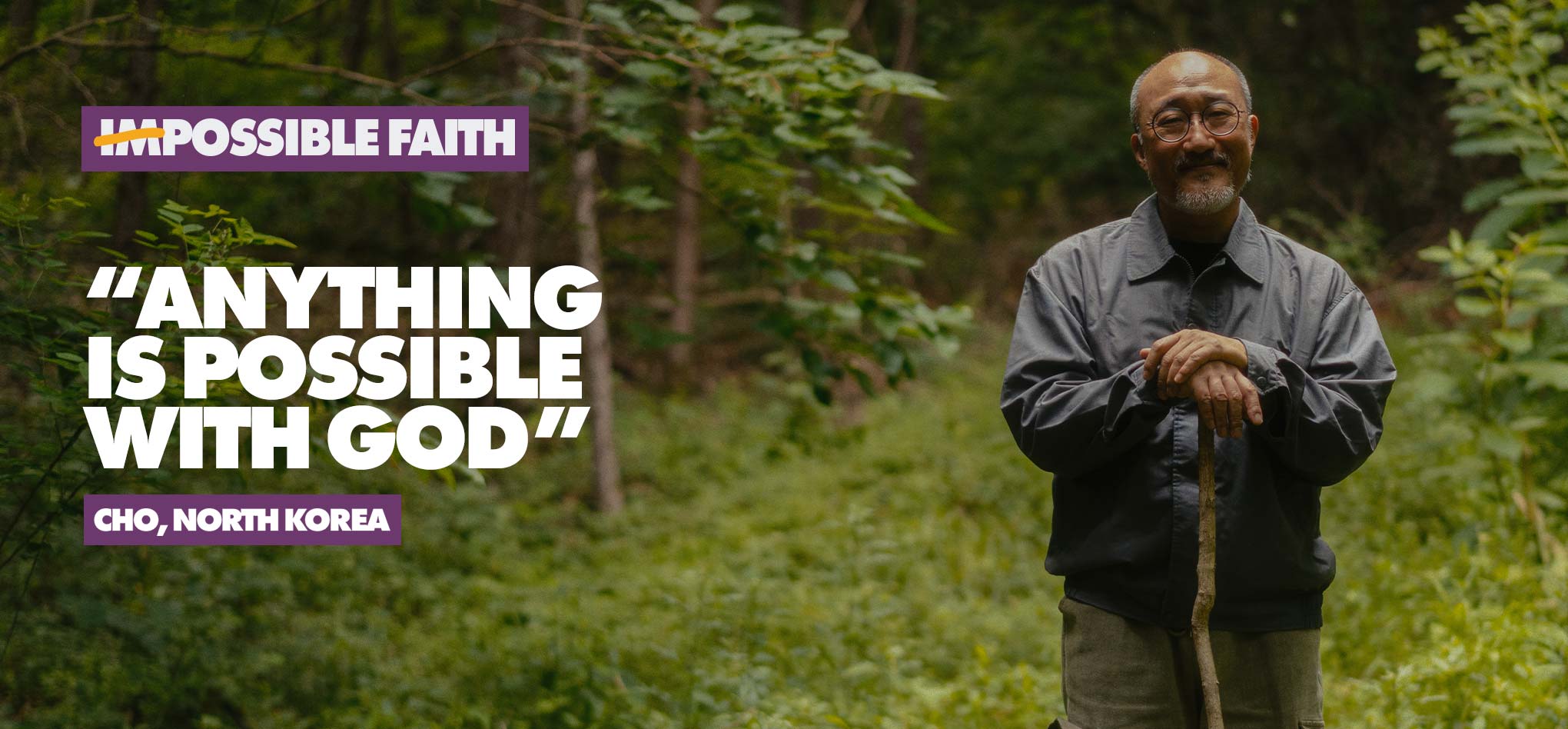
As an evangelist to North Korean refugees - Cho's job seemed impossible, but with God, all things are possible...
Open Doors Youth, PO Box 6, Witney, Oxon, UK, OX29 6WG

We serve Christians around the world whose brave faith in Jesus means they are, beaten, threatened, imprisoned, tortured, falsely accused, disowned and hated.

Around the world Christians are living out an impossible faith, trying to follow Jesus when governments, laws, communities and even family are against Christianity. Here’s some key points from the last year, highlighting some of the places where your prayers are needed.
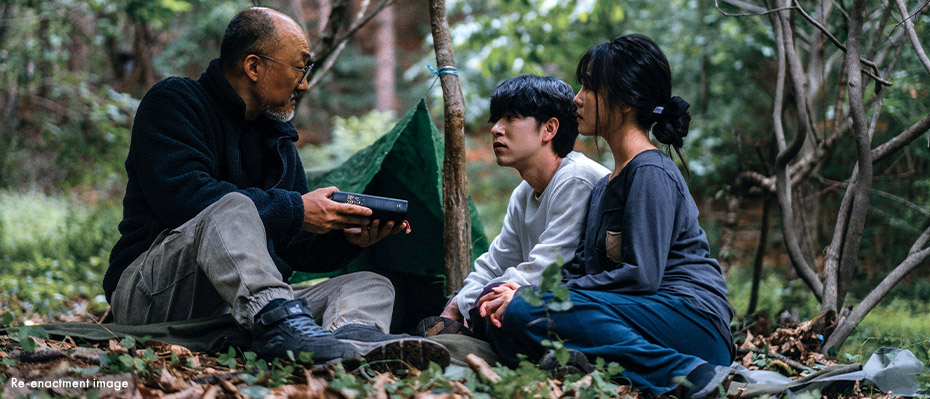
The dangers facing Christians in North Korea have not abated – and that’s why it’s still number one on the World Watch List. Amidst an ongoing humanitarian crisis, the Kim regime continues to strengthen the country’s self-reliance and its strategic positioning on the world stage. For North Korea’s secret believers, following Jesus openly remains impossible.
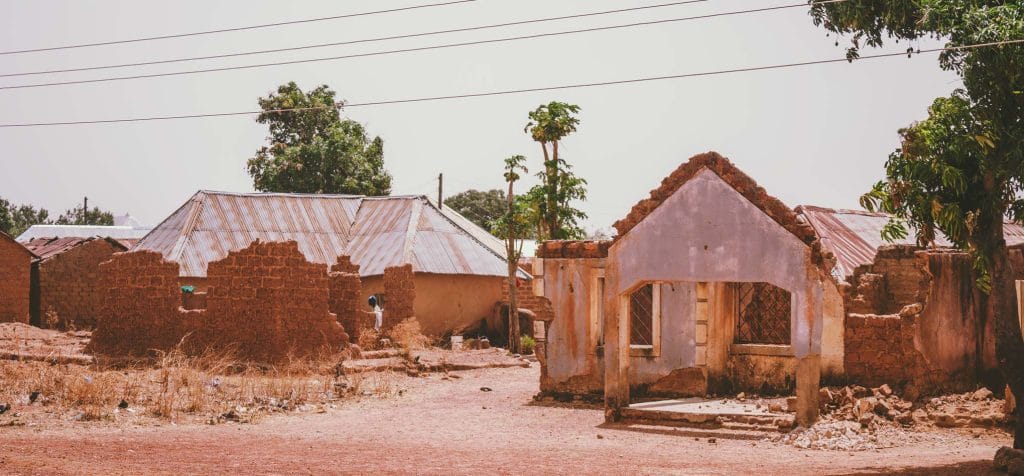
Open Doors research shows that the number of Christians worldwide killed for their faith increased by eight per cent to 4,849. Of these, 72% were from Nigeria – that’s more than the rest of the world combined. Other countries in sub-Saharan Africa that recorded at least 100 faith-related killings include Democratic Republic of Congo (DRC), Burkina Faso and Cameroon.
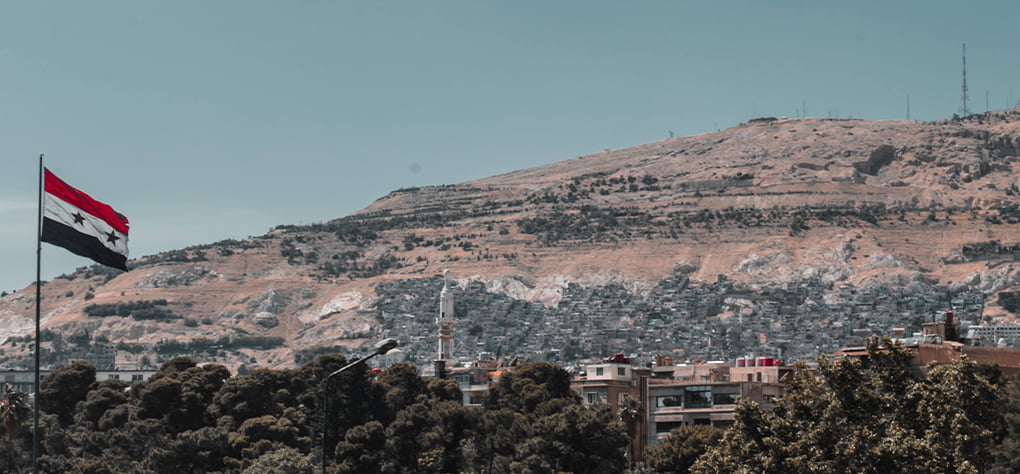
Syria has jumped to sixth. It’s the biggest riser in this year’s list and now a place of extreme persecution for many of the country’s tiny minority of believers. This is largely down to a sharp rise in the number of Christians killed and churches attacked since the fall of the Assad regime, notably the suicide bomb at Saint Elias Church, Damascus, in June that killed 22 people.

Fourteen countries in the top 50 of the World Watch List are in sub-Saharan Africa, and four of these are in the top 10 (Somalia, Eritrea, Sudan and Nigeria). A key driver is weak governance – for example, five of the 14 countries have experienced government overthrows in the past five years. This enables militancy and corruption to flourish, with believers often disproportionately targeted. One in eight Christians globally live in these 14 countries.
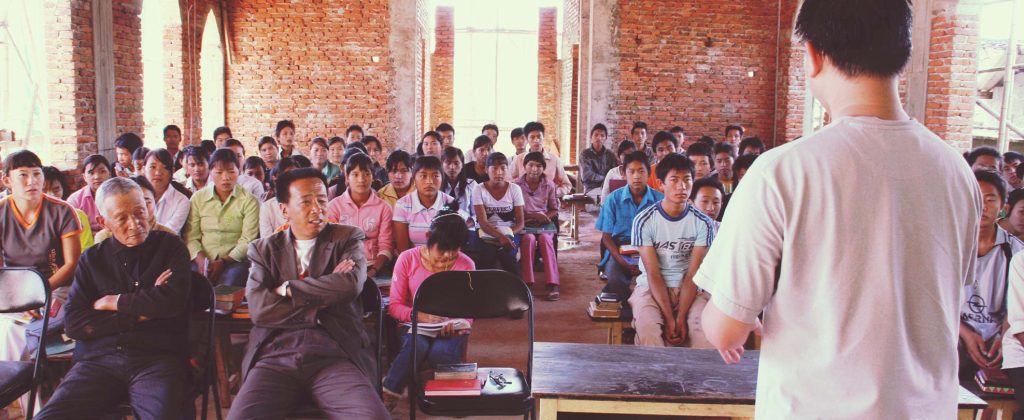
China reached its highest ever score on the World Watch List, largely due to the implementation in September 2025 of ‘Regulations on the Online Behaviour of Religious Clergy’. It comprises of 18 rules to ‘actively guide the religion’s alignment with society’. There is a ban on youth outreach, fundraising and ‘healing’ activities. Livestreams of sermons are only permitted if the church has been state-approved, which means preaching is heavily censored.
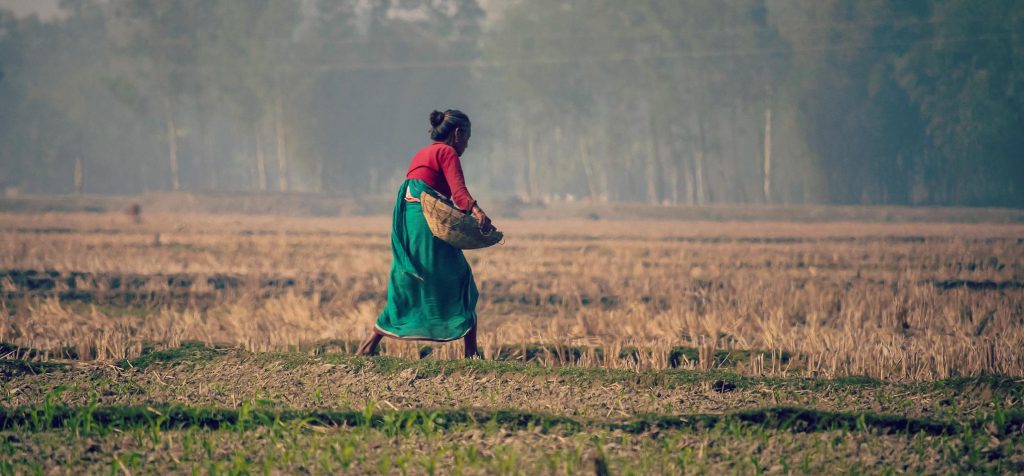
Among the good news from the latest list is a 20% drop in reported incidents of violence in Bangladesh. Since the ousting of Prime Minister Sheikh Hasana in August 2024, a period of relative calm has emerged under the interim leadership of Muhammad Yunus, an advocate of religious freedom. However, with elections scheduled for early this year, this will be tested, with concerns that it could lead to greater persecution of religious minorities.
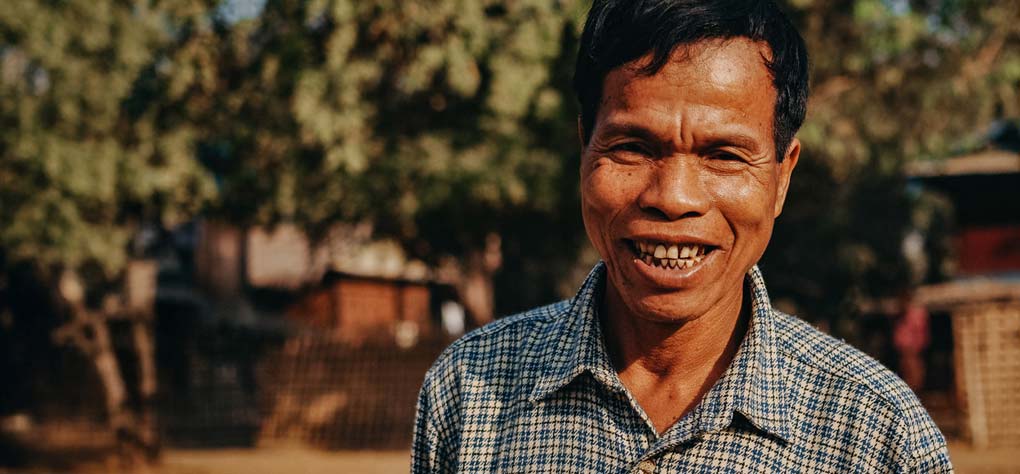
In Mexico (#30) and Colombia (#47), there is growing recognition – from media, civil society and some state actors – of the specific risks faced by religious leaders in areas affected by organised crime and armed groups. A spotlight is also being shone on the authorities’ approach to religious freedom in Cuba (#24) and Nicaragua (#32), through the work of international monitoring groups and advocates speaking up on behalf of affected churches and leaders.
And in a wonderful answer to prayer from Malaysia (#51), truth and justice prevailed with Susanna Koh winning her court case against the state over the disappearance of her husband, Pastor Raymond Koh, in February 2017.
These trends are a reminder that the drivers behind the persecution of brothers and sisters are complex and multifaceted. But perhaps the most potent and powerful reason for persecution is that, in all these countries, the church is still present and alive. In many places, it’s even growing!
Despite the best efforts of dictators, extremists, secret policemen and party officials, Christians continue to show remarkable resilience and creativity in how they witness to Jesus. Churches still meet, prayers are prayed, Scripture is shared and the gospel is still proclaimed. The enemies of Christianity will always try to make life impossible for Christians. But it won’t work. Because ours is an impossible faith. And nothing is impossible with God.
“If you could see what God is doing in my country, you would never have any doubts again. The Holy Spirit is at work, thanks to your prayers.” – a North Korean escapee

Thank God, that despite persecution, He is still moving and making the impossible, possible
That 2026 would mark a year of change, and that persecution against Christians around the world would decrease
For those in the midst of persecution, facing threats, rejection, violence and arrest. Ask God to give them boldness and courage to keep going and that they would know His provision and protection
 1
1Play Faithfuls with your youth group and take on Bible-smuggling challenges. Get your free leader guide now...
Order Now
2Sign the global Arise Africa petition asking for protection, justice and restoration for Christians across sub-Saharan Africa.
SIGN NOW...